
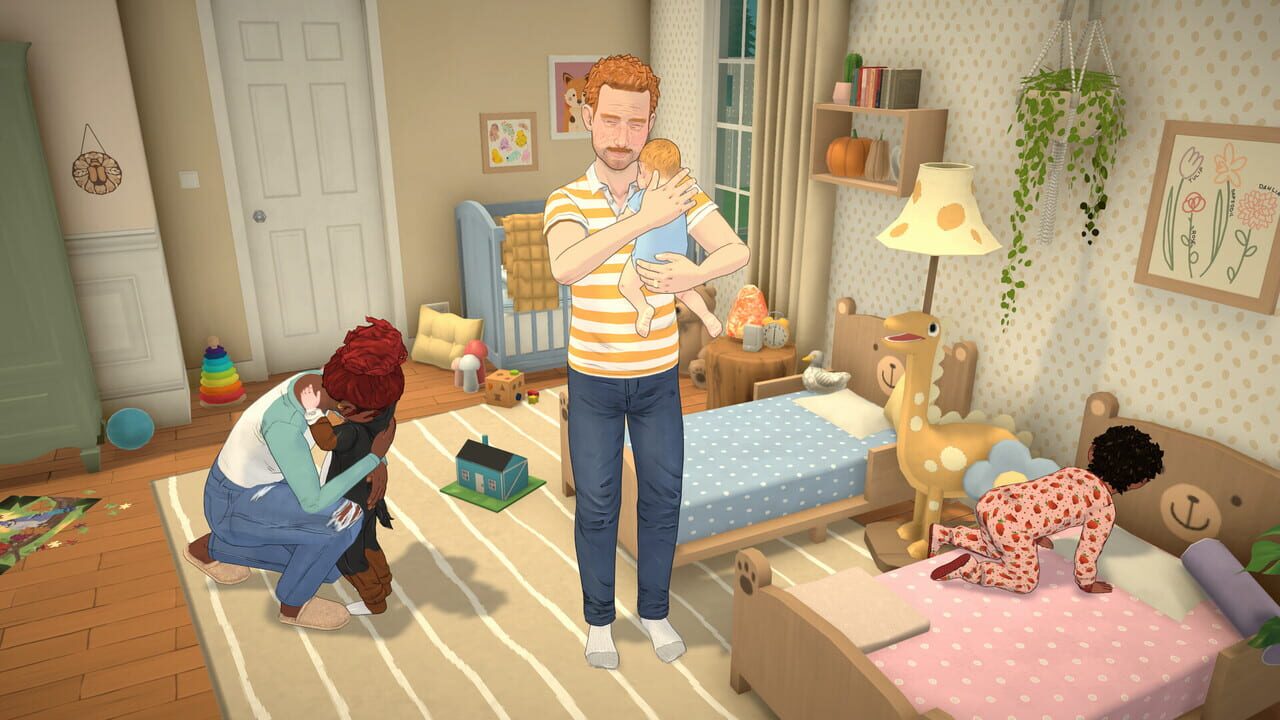
In October 1991 a firestorm moved through the hills above Oakland and Berkeley across two days and destroyed thousands of homes. One of them belonged to a game designer named Will Wright. Wright spent the months after the fire doing what almost everyone who loses a house to a disaster ends up doing: itemising. He reconstructed, for the insurance and for himself, the entire vanished contents of a home, every chair and appliance and book, and then he began the long ordinary work of choosing it all again, the furniture and the rooms and the arrangement of a life from nothing. Out of that experience, in part, came the game Wright shipped through Maxis in February 2000, a game he had spent years describing to skeptical colleagues and a skeptical publisher as a sort of digital doll house. It was called The Sims. It became, by a wide margin, the best-selling thing the medium had produced.
The Sims went on to sell into the hundreds of millions of copies across its mainline entries and a long tail of expansion packs, and for twenty-six years nothing has seriously challenged it. Paralives, the life simulator a small Canadian studio releases on 25 May 2026 after roughly seven years of development funded largely by its own audience through Patreon, is the first credible attempt. This is a People and Culture essay, and it is less interested in which of the two games is the better product than in the question their competition forces into the open. What is a life simulator actually for. And why has the answer come to matter more in 2026 than it did when Will Wright was standing in the ash of his own house, choosing a sofa.
The standard ways of describing the form all name a real surface and miss the centre. The life simulator is a creative toy, and it is: people build extraordinary houses in it. It is a storytelling engine, and it is: people run multi-generational soap operas in it for years. It is an architecture sandbox, a comedy generator, a quiet place to arrange beautiful rooms. All true, and all of it the form's surface rather than its function. The function underneath is rehearsal. The life simulator is the one mass-market cultural object built to let a person practise, in full and at length, the assembling and maintaining of a settled domestic life: the home with its rooms, the household with its relationships, the daily upkeep, the slow accumulation of a place that has been lived in. The form is a rehearsal space, and the thing it rehearses is home-making.
It is worth being careful with that phrase, because home-making has spent a long time being treated as the least serious thing a person can spend a day doing, and the carelessness is exactly what this essay needs to push against. The philosopher Iris Marion Young wrote an essay in the 1990s called "House and Home" that did the pushing properly. Young was working against two views of home at once. One was the old patriarchal sentimentalising of the home as a woman's natural and sufficient sphere, which she had no interest in restoring. The other was a strand of feminist thought that had reacted against the first by treating home itself as a trap, the domestic as a place of confinement and unpaid drudgery to be escaped. Young's move was to refuse both and recover a third thing. Home-making, she argued, when it is separated from the question of who has been compelled to do it, is a genuine and meaningful form of work, and the work has a name: preservation. It is the activity of arranging and maintaining the material world so that a life, and the meanings and relationships and memories attached to that life, can be safely carried forward in it. Home-making, in Young's account, is the ongoing construction of a stable place from which a person is able to act at all. It is not the opposite of a meaningful life. It is one of the conditions of one.
Set that beside the actual verbs of a life simulator and the fit is close to exact. The core activity of The Sims, and of Paralives, is not winning and is not, in any genre sense, playing. It is placing a wall, choosing a floor, setting a table where a table should go, putting a household into the rooms and then keeping the whole arrangement running, day after simulated day, against entropy and need. That is Young's preservation, abstracted into a system and handed to the player as the entire content of the game. The life simulator took the activity the surrounding culture has been least willing to count as serious and built a twenty-six-year mass-market form on the proposition that it is absorbing, meaningful, and worth a person's evening. The form was right. The culture, mostly, has still not caught up to it.
The reason this matters more now than it did in 2000 is that home-making in Young's full sense has a precondition, and the precondition has been thinning. Preservation requires something to preserve and somewhere to do it: a dwelling held with enough security and enough duration that arranging it is worth the effort. Across the exact span The Sims has dominated, that base has become, for a large part of the game's adult audience, harder to assume. Adults live alone, and live alone longer. Partnership and children arrive later than they did, or arrive provisionally, or do not arrive. Housing absorbs more of an income and returns less permanence, so that the dwelling is more often rented than owned, more often temporary than settled, more often a place a person passes through than a place a person preserves. None of this is the life simulator's doing and the life simulator is not a remedy for any of it. But it sharpens what the form is for. The game reliably delivers the affective experience of home-making, the full practice from foundation to furnished room to maintained household, to an audience for whom the same practice in the actual world has become slower, more contingent, and in many cases unavailable. The form is a rehearsal, and a rehearsal is what a person keeps doing when the performance has been postponed.
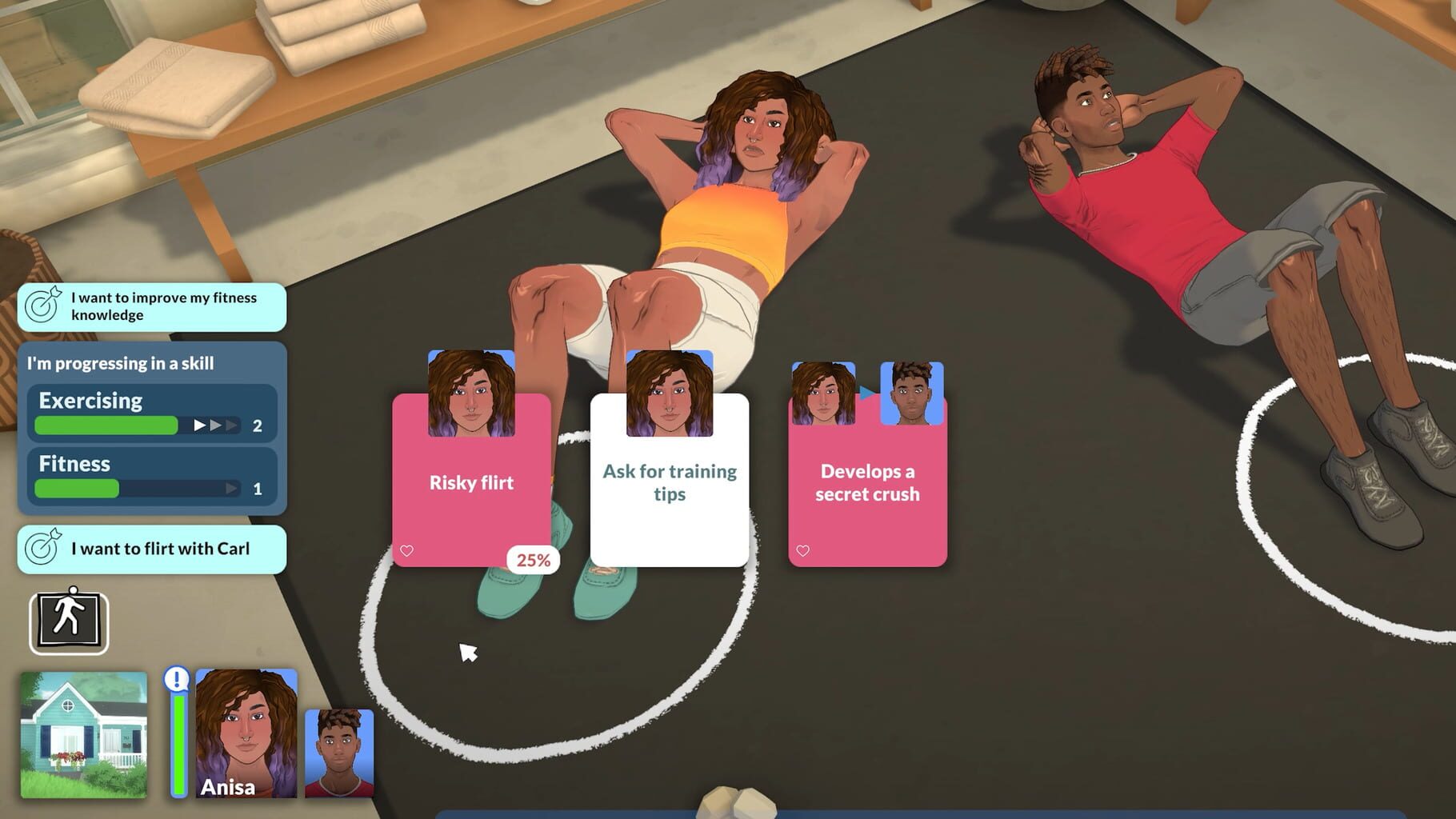
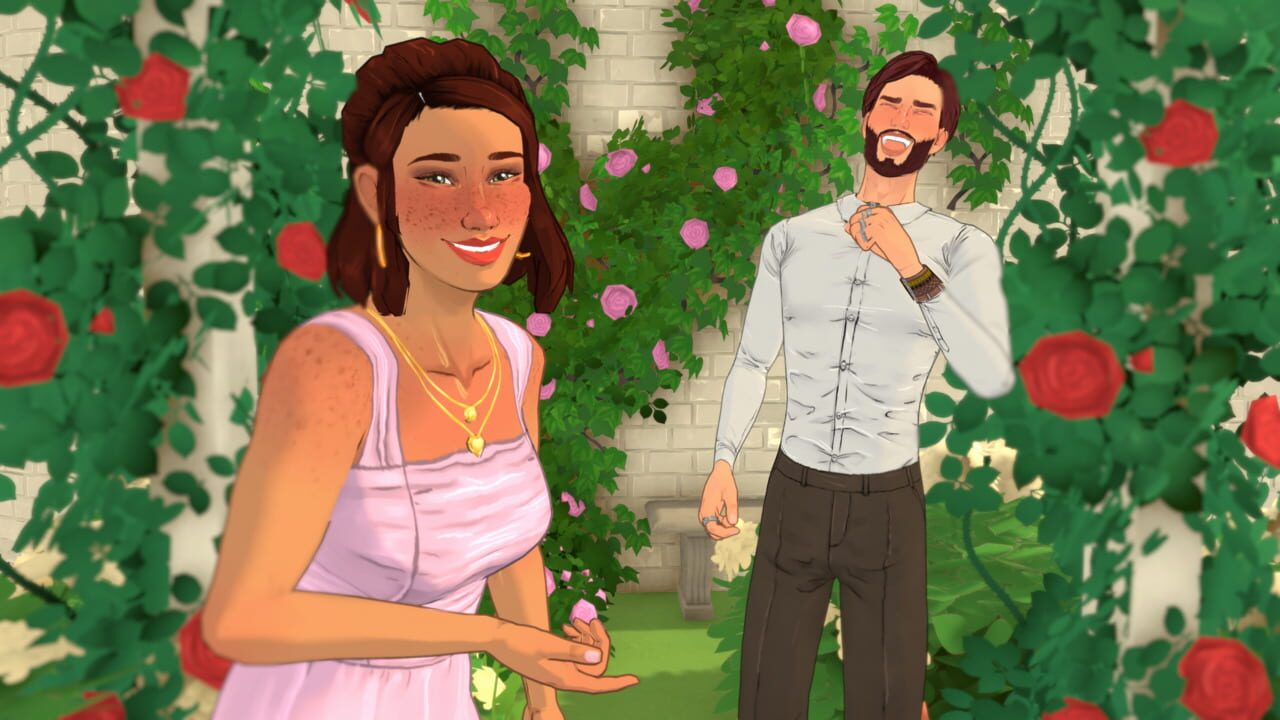
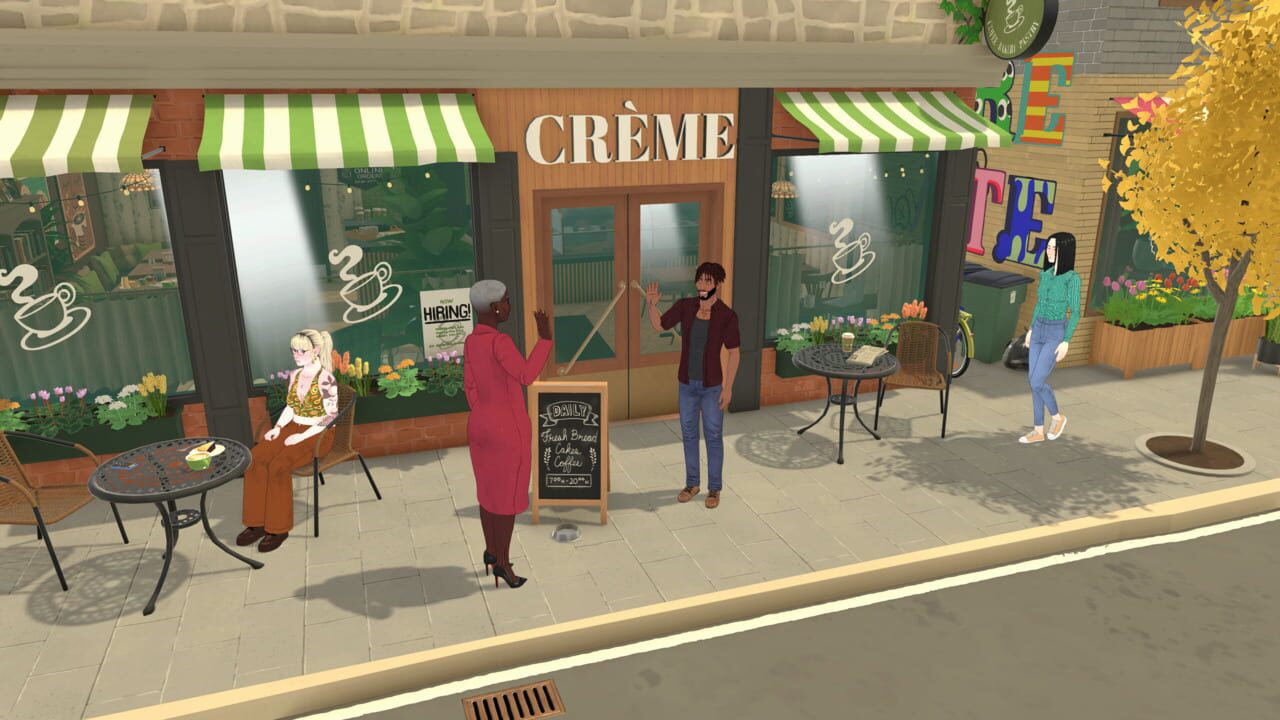
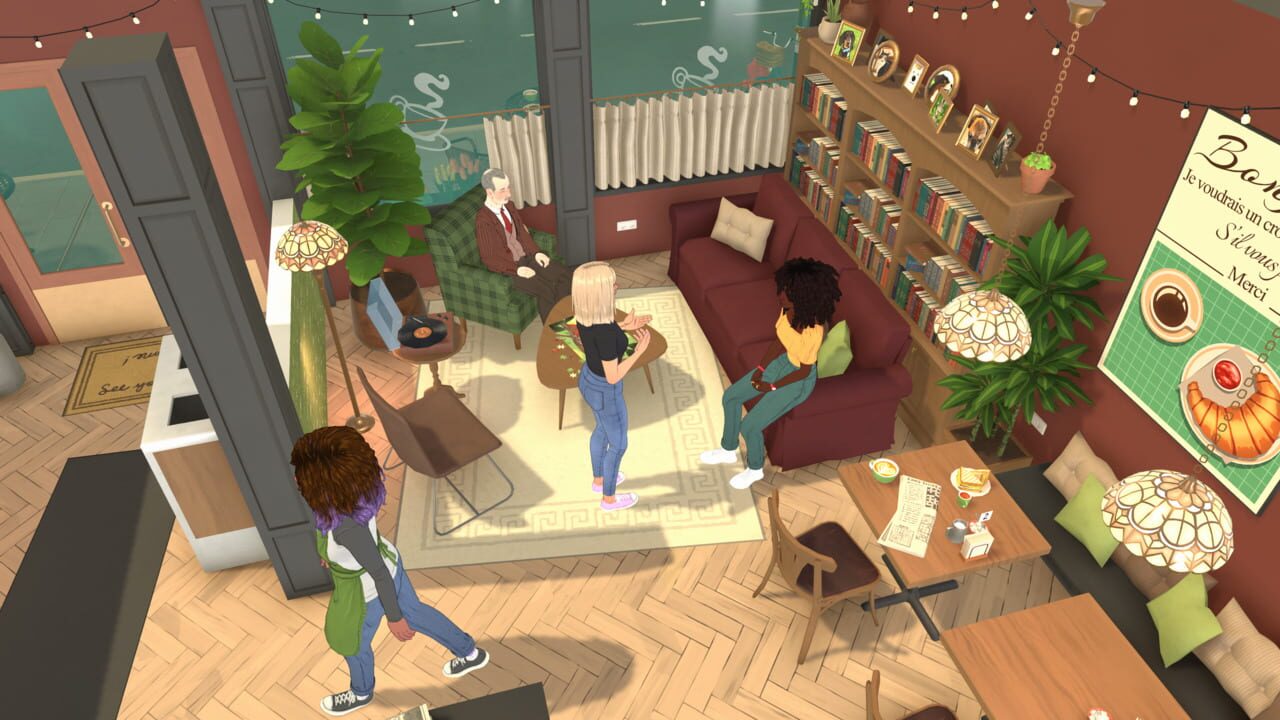
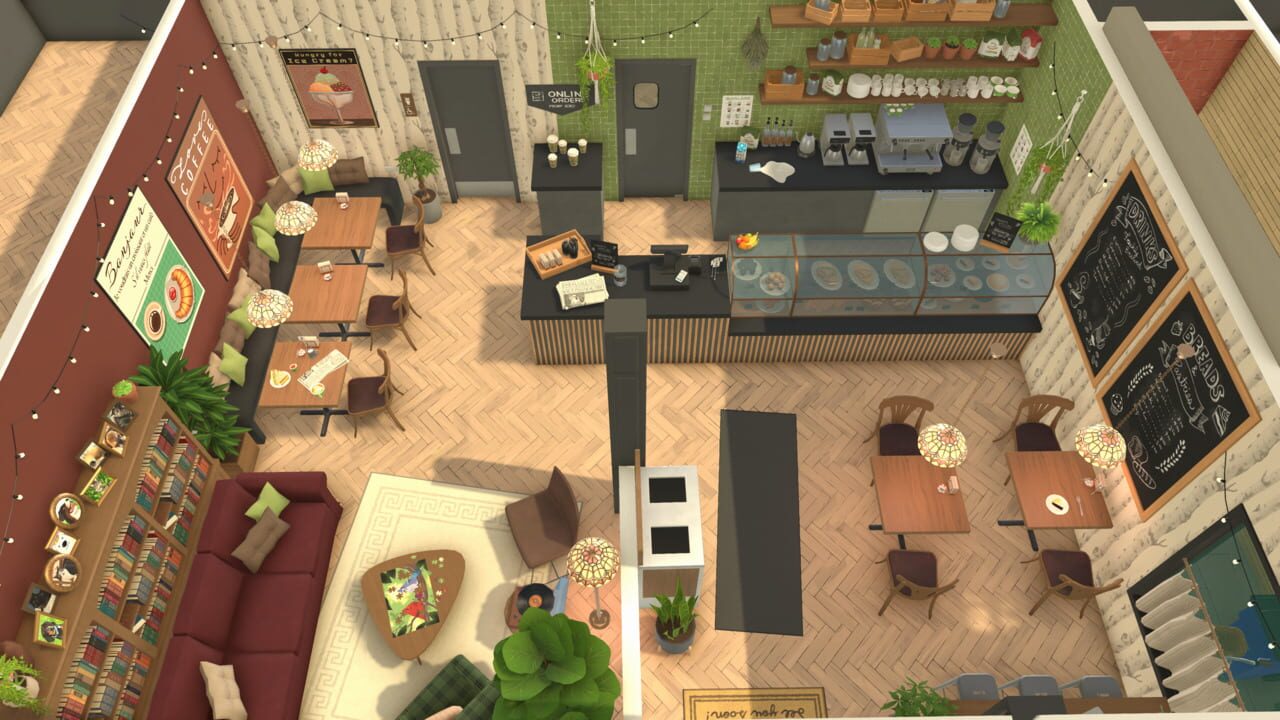
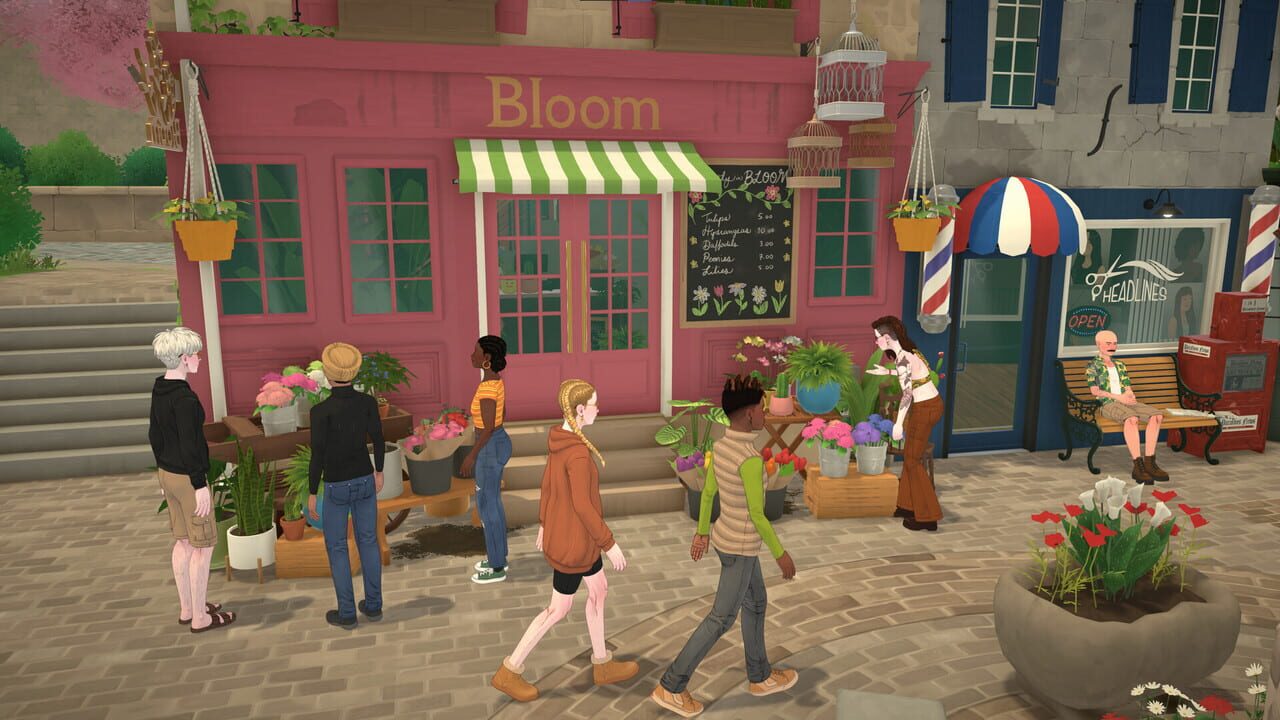
Gaston Bachelard, writing in 1958 about the poetics of domestic space, observed that the rooms of a house are not neutral containers but specific psychological objects, that a person does not merely occupy a home but is shaped, daily, by its corners and thresholds and the particular way it holds light. The life simulator has been engaging Bachelard's material the entire time without any of his apparatus, asking the player to feel the difference between a cramped room and a generous one, a window that faces the street and a window that faces a wall. What Paralives proposes, in the design it has been showing publicly across its long development, is to engage that material with more resolution. Its building system is more modular and more granular than the form's standard, which means simply that the player can make finer decisions about the home, can do more of the home-making rather than less. Its neighbourhood is open rather than partitioned, which sets the home in a context instead of isolating it on a private lot. Its relationship simulation reaches for more depth, which is the household side of preservation rather than the architectural side. These are usually described as product differentiation, the new game listing the ways it is not the old one. They are better understood as claims. Each one is an argument that the form should do more of the rehearsing, because the audience's need for the rehearsal has grown.
The audience itself has been making the same argument with its money, years in advance, which is the part of the Paralives story that is easy to miss. A life simulator funded into existence by its own players through Patreon, over most of a decade, before a release date existed, is an audience paying ahead for a better instrument of domestic rehearsal. That is not how people behave toward a doll house. It is how people behave toward something they have decided they need.
The obvious objection is that all of this is an elaborate and faintly sad way of saying escapism, that the honest description is people who cannot assemble a home in life assembling one on a screen instead, and that dressing the substitution in the language of philosophy does the audience no favours. The objection is worth taking seriously and it does not hold. Escapism names a flight from something toward nothing, a sealed loop that asks only to be undisturbed. Rehearsal is the opposite structure: it is practice, and practice is oriented, by definition, toward a real performance it has not given up on. The audience of a life simulator is not confused. Nobody who has spent an evening furnishing a Paralives apartment believes they have furnished an apartment. What they have done is keep a practice in working order, and keep the wanting attached to it intact, through a stretch of life that has made the practice hard to carry out for real. Sustaining a competence and a desire against conditions that discourage both is not a sad activity. It is a reasonable one, and arguably a hopeful one, and the form has been quietly enabling it at scale for a generation.
It is fair to the competition to say where the older game left the opening. The Sims' long decline into an expansion-pack economy did a specific damage that this argument can name precisely: it sold the rehearsal back to the player in priced fragments, so that the home-making the form exists to provide arrived metered and partial. And its simulation of relationships, the household half of preservation, stayed shallow for years while its simulation of objects deepened. Paralives is not the only studio to have read the opening; Krafton's InZoi, released in 2025, is another life simulator making its own different bet on the same diagnosis. Three serious entries in a form that had one for two decades is not a coincidence of the games industry. It is the measure of a demand that one studio's arrangements had stopped meeting.
A person finishing an evening with Paralives will have built rooms they will never stand inside, for a household that does not exist, in a home that has no address. The easy reading calls that a small sad thing. The truer reading is that the person has spent the evening keeping something alive: the knowledge of how a home is made, the specific competence of preservation, and the part of themselves that still intends, when the conditions allow it, to do the thing for real. The life simulator holds that intact during the wait. That is what playing house is for, and the studios now competing to build the best version of it have understood, more clearly than the culture that still calls it a doll house, that the wait has been getting longer.